 Intro
IntroPicking a Payment Method That Won't Get You Scammed
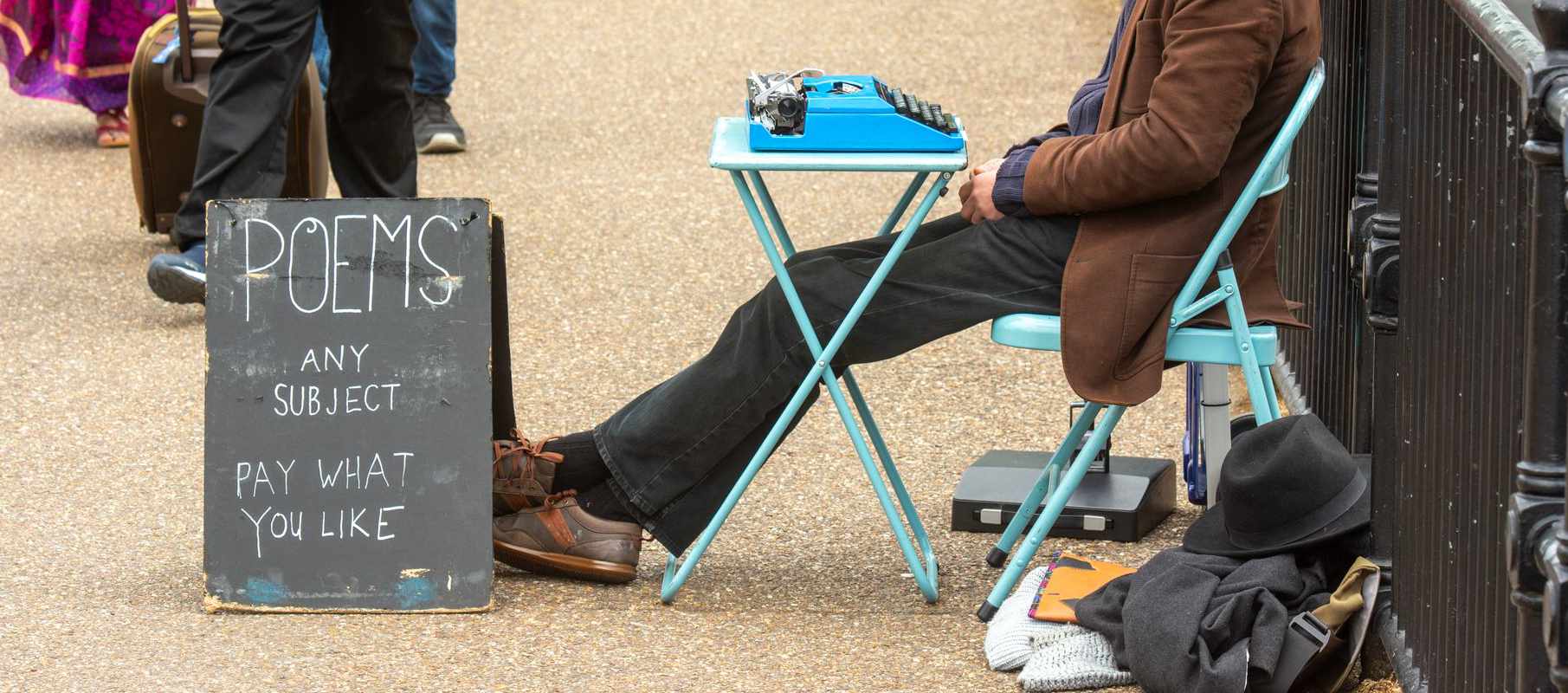
Photo by Jan van der Wolf on Pexels
A lot of the scams targeting artists are about tricking you into accepting payment in a way that gives the scammer an easy way to take the money back later, or that never actually gets you paid at all. Most of this comes down to knowing which payment methods actually protect you and which ones just look convenient.
Use PayPal Goods and Services, not Friends and Family
If a client offers to pay through Friends and Family to “save on fees,” that’s a red flag by itself. Friends and Family payments are meant for sending money to people you know personally, not for paying for a commission. Because of that, PayPal treats them as non-refundable personal transfers, which means if the buyer files a dispute or their account gets flagged for fraud, you have basically no protection and can lose the payment entirely.
Goods and Services does charge a small fee, but it comes with seller protections and a proper paper trail showing the payment was for a transaction. If someone insists on Friends and Family for a commission, that alone is reason enough to turn the job down.
Watch out for chargebacks
Even with proper payment methods, chargebacks are worth understanding. A chargeback happens when a buyer disputes a charge through their bank or card company after you’ve already been paid, often claiming the item was never received or wasn’t as described. Digital art and commissions are especially vulnerable here because there’s no tracking number or delivery confirmation the way there is with a physical product.
Keeping records helps a lot. Save your conversations, invoices, and any proof of delivery, like a timestamped email or file share link. It won’t stop every chargeback, but it gives you something to fight back with if it happens.
Use an actual invoice, not a random money request
Instead of just asking someone to send money to your @ handle, use a real invoicing platform, PayPal invoices, Stripe, Ko-fi, Wave, whatever fits your setup. Invoices create a paper trail with your business info, the client’s info, and a clear description of what’s being paid for. That trail matters if a dispute ever comes up, and it makes you look more professional to legitimate clients too.
Be cautious with Venmo, Cash App, and Zelle
These apps are built for paying friends, splitting rent, that kind of thing, not for business transactions. They generally don’t offer buyer or seller protection, and once the money is sent, it’s very hard to get back if something goes wrong, which also means it’s hard to prove anything went right. If a client only wants to pay through one of these, it’s worth asking for PayPal Goods and Services or a proper invoice instead.
Be extremely wary of gift cards, wire transfers, and crypto
If a “client” ever asks you to accept payment as gift cards, or asks you to pay any kind of fee upfront through a wire transfer or crypto before they’ll send your payment, stop the conversation. These are classic signs of a scam, mainly because all three are close to impossible to reverse or trace once sent. No legitimate client pays an artist in gift cards, and no legitimate commission requires the artist to pay something first.
The general rule
Stick to payment methods that create a record and offer some kind of dispute resolution. If a client is pushing hard for an unusual payment method, especially one with no protections, that pressure is often the biggest red flag of all, more than anything about the story they’re telling you.
IntroVerify helps you defeat scammers
Check out a buyer before you take on a commission or a sale. IntroVerify weighs the signals and gives you a plain-language verdict. First 5 checks free, no credit card required.
Try IntroVerify for free