 Intro
IntroThe Fake Courier Scam
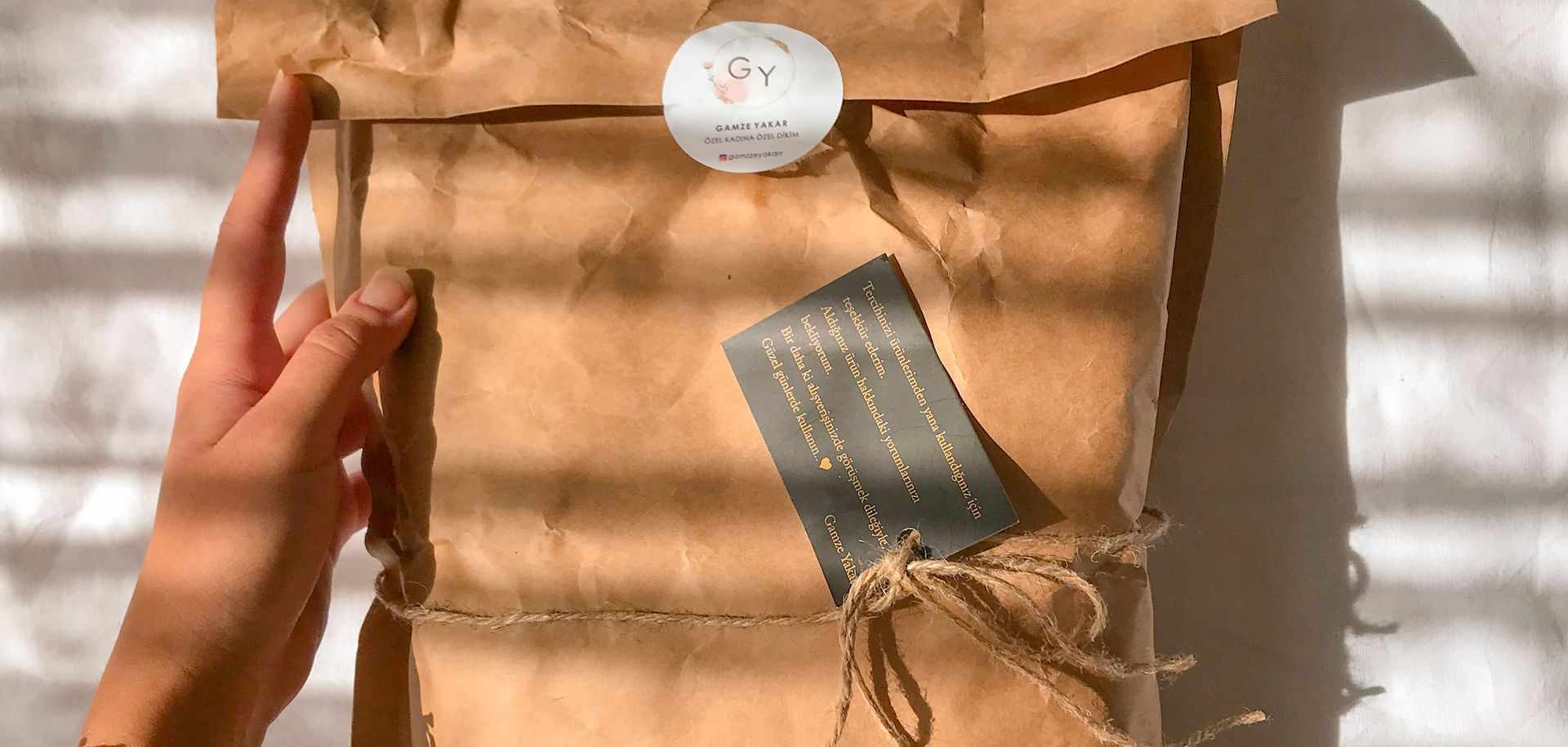
Photo by Ayşe Nur on Pexels
If you sell physical art or commissions online, you’ve probably had a client ask for something slightly unusual about shipping. Most of the time it’s harmless. Sometimes it’s the opening move of a scam that’s been doing the rounds in art communities for years, and it still works because it’s built around things that sound completely plausible.
The Hook
It usually starts like any other commission request. Someone messages you, seems genuinely interested in your work, and offers to pay well for a piece. Maybe it’s a bit more than you’d normally charge, which feels nice, but not so much that it sets off alarm bells. They’re polite, they ask reasonable questions, and everything about the conversation feels like a normal client interaction.
The catch comes up once you get to logistics. They’ll mention they live somewhere rural, or in a country where the usual couriers don’t reliably operate. A few years back this was often “Russia,” partly because it’s genuinely a big country with patchy courier coverage in places, and partly because most artists don’t know enough about shipping there to question the details. These days the specific country changes, but the logic stays the same: pick somewhere unfamiliar enough that an odd courier name doesn’t sound suspicious.
The Build-Up
Once shipping comes up, they’ll explain that their usual courier is unreliable, too expensive, or simply doesn’t come to their area, so could you use a specific company instead? They’ll send you a name and probably a link. It looks like a real courier website, sometimes a genuinely well-made one, and getting a quote from it feels like getting a quote from any other shipping company.
The quote comes back higher than what you’d normally pay, and this is where the scam gets its hook into you properly. The buyer says not to worry about the extra cost, they’ll cover it. It’s a small, generous-sounding gesture that makes the whole thing feel legitimate. Why would a scammer offer to pay you more money? It doesn’t feel like a trap because it isn’t trying to save them money, it’s trying to earn your trust, and it works.
They send payment, usually including the inflated shipping cost on top of your commission fee. You book the courier through the fake site using the money they sent you.
The Steal
You wait for the courier to arrive and collect the package. They never show up. No van, no driver, nothing. When you check the tracking number, it either doesn’t exist or sits frozen at “awaiting collection” forever.
Meanwhile, the buyer starts asking where their art is. They get “frustrated,” and depending on how they originally paid you, they file a chargeback or a payment dispute, or just ask for a refund and threaten to escalate if you don’t comply. You have no real proof anything was shipped, because nothing was, and no way to prove the courier was ever legitimate in the first place. You lose whatever you paid the fake courier site, and often the commission payment as well once the dispute goes through. If you entered any personal or banking details on that courier site to “book” the shipment, there’s a good chance those have been harvested too.
The best defense here is pretty simple: stick to couriers you already know and trust, and treat any client who insists on a specific, unfamiliar shipping company, payment method, or tool with real suspicion. Legitimate clients almost never care how you ship something, only that it arrives. It’s the ones who care a lot about the specifics that are worth a second look.
IntroVerify helps you defeat scammers
Check out a buyer before you take on a commission or a sale. IntroVerify weighs the signals and gives you a plain-language verdict. First 5 checks free, no credit card required.
Try IntroVerify for free