 Intro
IntroThe Fake Credentialing Scam Every Artist Should Know About
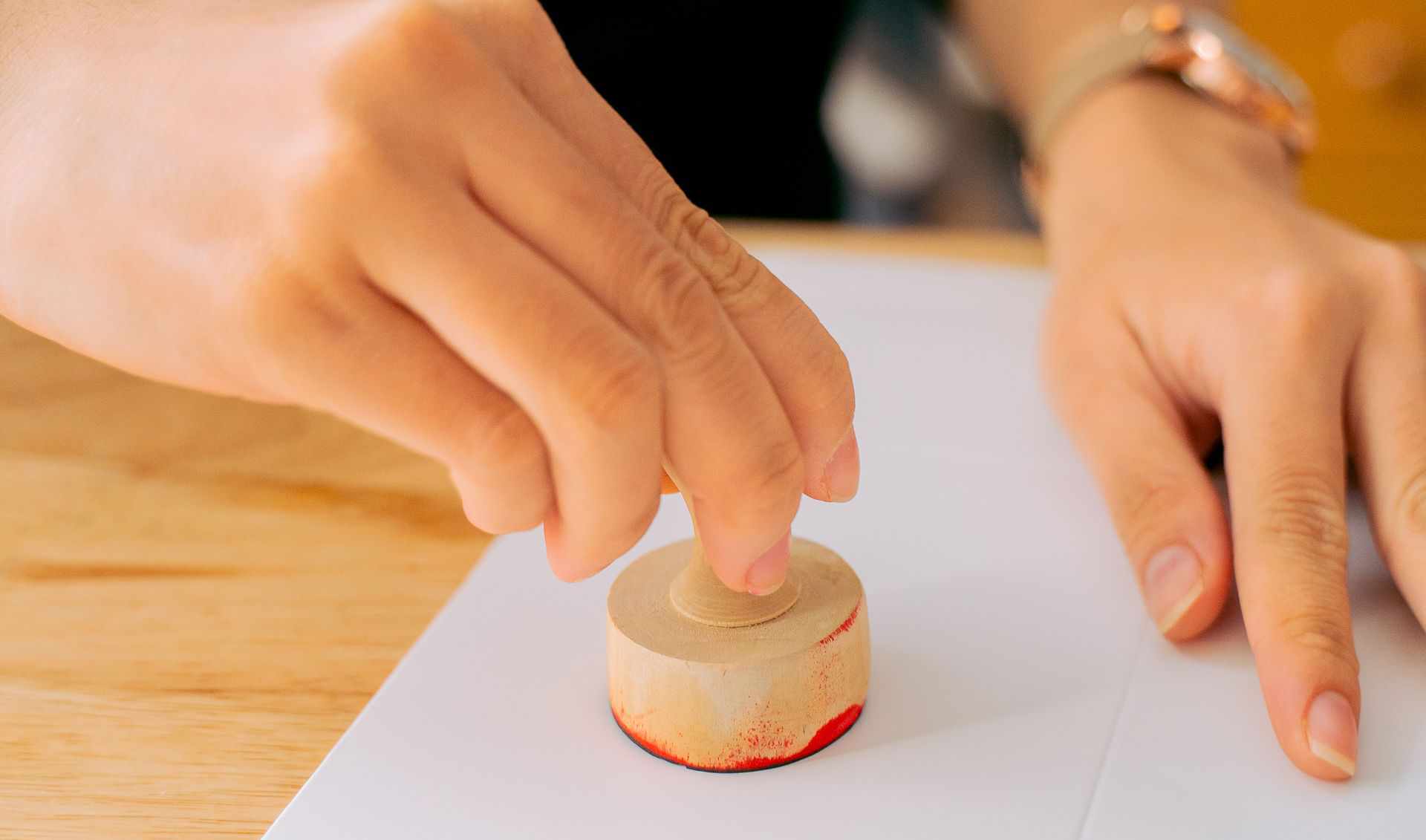
Photo by Anna Tarazevich on Pexels
If you sell your art online, you’ve probably gotten a message that felt a little too good to be true. Lately, a specific version of that message has been showing up more often, and it’s worth breaking down because it’s designed to look legitimate.
The setup usually involves something called artist credentialing or verification. On the surface it sounds reasonable. There are real organizations that appraise, authenticate, or vet artists for grants, gallery placement, or insurance purposes. Scammers have noticed this and built a convincing copy of it.
The Hook
It usually starts with a private message or email from someone claiming to run or represent a credentialing service. They tell you your portfolio caught their attention and that your work qualifies for their certification program. Sometimes they frame it differently: they say they’re a collector or agent who wants to buy several pieces, but before the deal can go through, you need to be “verified” through their partner organization.
Either way, money gets mentioned early. Maybe it’s a sale worth a few thousand dollars. Maybe it’s a promise that certified artists see their prices go up significantly once they’re listed. The number is always big enough to get your attention, but not so big that it feels absurd. That’s intentional. It’s flattering, and it makes you feel like you’ve been singled out for a reason.
The Build-Up
Once you respond, the scam builds momentum. You’ll usually get directed to a website that looks professional: a logo, a mission statement, a list of “certified artists,” maybe even fake testimonials or press mentions. Some versions have a whole fake staff directory with LinkedIn-style bios.
From there, things start moving fast. You might get an email from a “compliance” or “verification” department outlining next steps. You might be introduced to the supposed buyer, who confirms they’re excited to purchase your work once you’re certified. There’s often a deadline attached, something like only accepting a limited number of artists this month, which pushes you to act before you’ve had time to think it through or ask questions.
In some versions, a check actually arrives, often for more than the agreed amount. You’re told it covers certification costs, shipping, or some other fee, and asked to send the difference back. The check looks real. It clears at your bank, at least temporarily.
The Steal
There are a couple of possible endings.
If a check is involved, it eventually bounces after you’ve already wired the difference back, and you’re on the hook for the full amount your bank fronted you.
If there’s no check, you’re simply asked to pay a certification, authentication, or listing fee upfront, usually a few hundred dollars, sometimes framed as refundable once your first sale goes through. After you pay, the buyer disappears, the certification never materializes, or the website goes dark entirely.
Either way, the artist is out real money and has nothing to show for it.
How to protect yourself
Legitimate credentialing or appraisal organizations don’t approach artists cold with urgent offers attached. If a company is new to you, search for it along with the word “scam” or “complaint” before responding to anything. Never wire money back to cover the difference on a check you just received, no matter how official the paperwork looks. Banks can take weeks to catch a fraudulent check, and you’re liable for the money once it bounces.
If someone wants to pay you for your art, they don’t need you to pay them first. That one rule filters out the vast majority of these schemes before they get anywhere.
IntroVerify helps you defeat scammers
Check out a buyer before you take on a commission or a sale. IntroVerify weighs the signals and gives you a plain-language verdict. First 5 checks free, no credit card required.
Try IntroVerify for free