The "Gallery Showing" Trap: Why That Exciting Email Might Cost You Hundreds
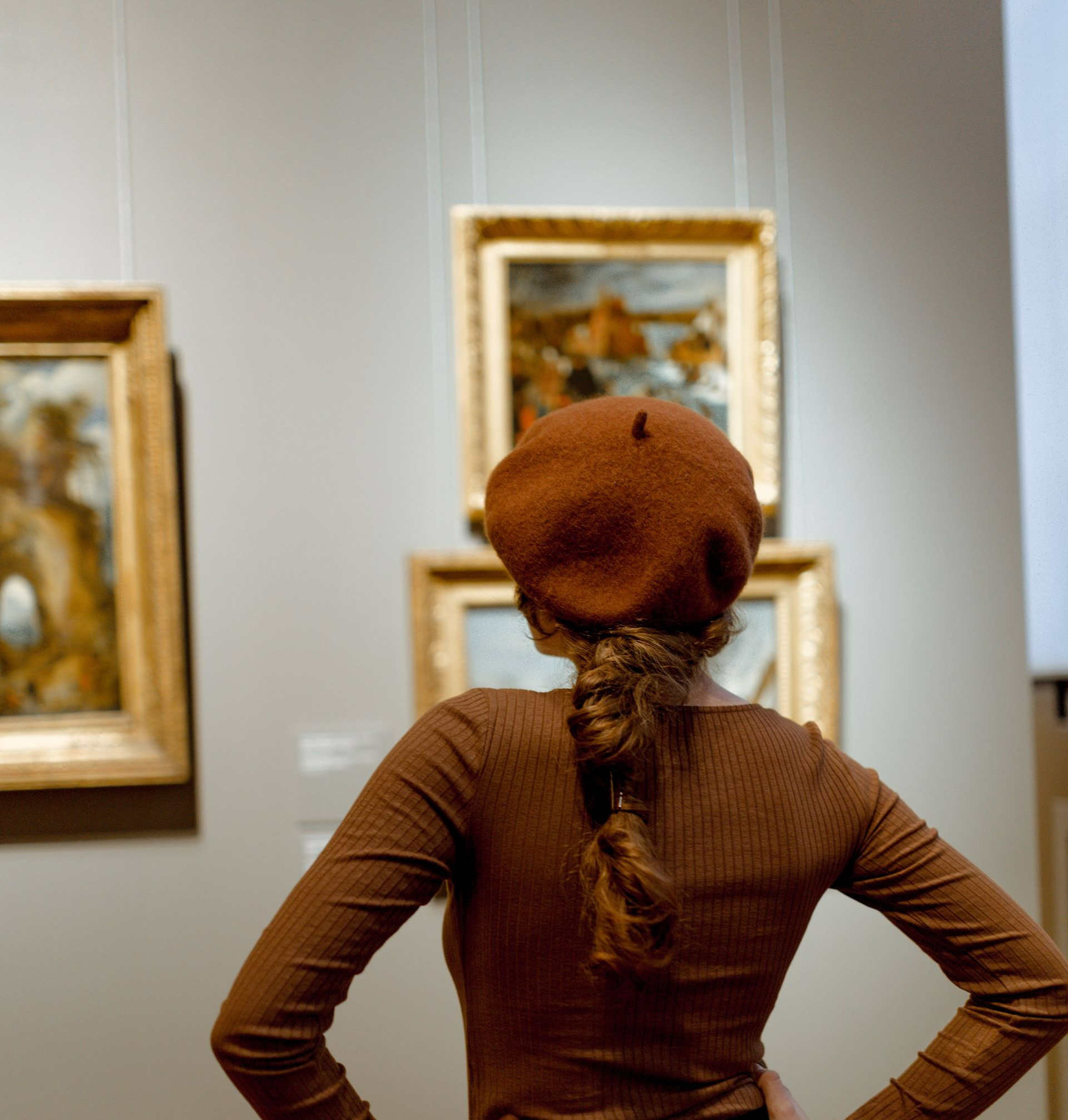
If you’re an artist with any kind of online presence, you’ve probably gotten an email or DM that made your heart skip a beat. Someone from a gallery says they love your work and want to feature it in an upcoming show. It feels like validation. It feels like the moment you’ve been waiting for. Unfortunately, it’s also one of the more common ways artists lose money, and it’s not even technically illegal.
The Hook
The message usually starts with flattery. They found your work somewhere, maybe Instagram, maybe a portfolio site, and they were blown away by it. They want to include you in a curated show, sometimes alongside “established” or “internationally recognized” artists. The tone is warm and personal, like they picked you specifically out of thousands of applicants.
Then comes the pitch: a booth or wall space in an upcoming exhibition, often in a city that sounds impressive, New York, LA, sometimes even abroad. They’ll tell you this is a huge opportunity for exposure and that spots are limited, so you should respond quickly. Nothing about the message screams scam. There’s a real gallery, a real address, sometimes even a real history of past shows. That’s what makes this one so effective. It’s not a stranger promising you a fortune out of nowhere. It’s dressed up as a legitimate professional opportunity.
The Build-Up
Once you express interest, the gallery gets you further invested before any money changes hands. They’ll send over details about the show’s theme, the other artists involved, and the marketing push they’re planning. Sometimes they’ll ask for a short artist bio or statement, which makes it feel like you’re already part of something real.
Then the booth fee comes up, usually framed as a standard part of doing business. Prices vary widely, but many artists report paying anywhere from a few hundred dollars to over a thousand for a spot. It’s explained as covering space rental, marketing, and staffing for the event. On top of that, if you happen to sell anything during the show, the gallery often takes a cut, commonly 30 to 40 percent of the sale price.
Everything about this stage is designed to normalize the transaction. You’re not handing money to a random person online. You’re paying for a “service,” the same way you’d pay for a market booth or a website subscription. The problem is that the value on the other end is often nowhere close to what you paid for.
The Steal
Here’s where it gets rough. Many of these shows do technically happen. Your art might really be hung on a wall somewhere. But foot traffic is often minimal, buyers are rare, and the promised exposure amounts to little more than a listing on the gallery’s website. Artists frequently walk away having spent hundreds of dollars and sold nothing at all, while the gallery still profits from the booth fees of dozens of other hopeful artists in the same show.
The gallery isn’t lying about hosting an event. They’re just relying on the fact that most artists desperately want the validation of being called a “gallery artist,” and are willing to pay for that title even if it doesn’t lead anywhere financially. That desire is the real product being sold here, not exposure or sales.
If you get one of these offers, do some digging before committing. Look up the gallery’s past shows and see if other artists have talked about their experience. Ask directly what the expected foot traffic and sales numbers look like from previous events. And consider that markets, fairs, and pop-up events usually cost far less to participate in and put you in front of people who are actually there to buy, not just browse a curated wall.
There’s nothing wrong with wanting gallery representation. Just make sure you’re paying for real opportunity, not just the label.
IntroVerify helps you defeat scammers
Check out a buyer before you take on a commission or a sale. IntroVerify weighs the signals and gives you a plain-language verdict. First ten checks free, no card required.
Try IntroVerify for free