 Intro
IntroThe "Get Featured in Our Art Book" Scam
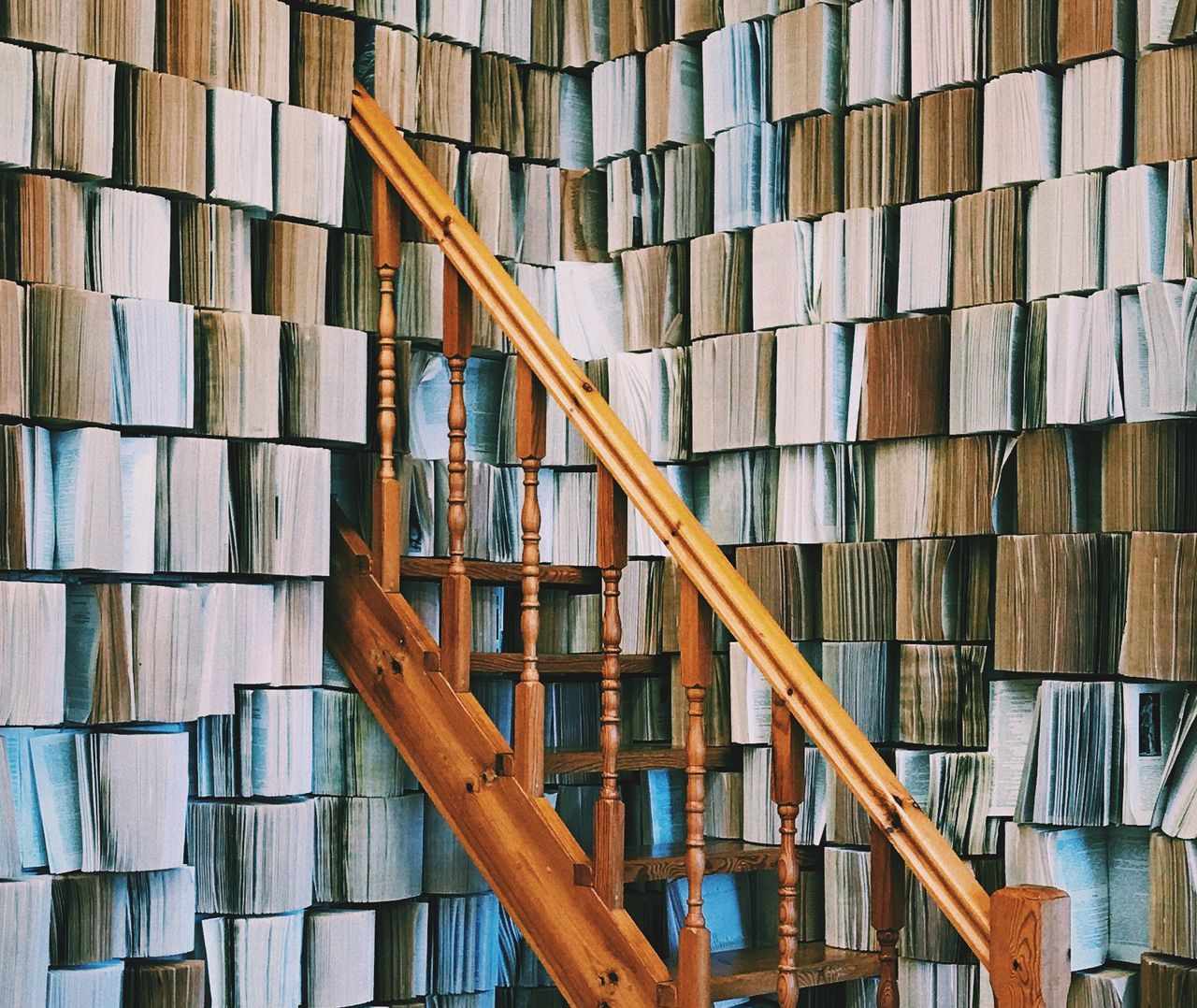
Photo by Ralfs Eglitis on Pexels
If you’re an artist with any kind of online presence, you’ve probably gotten a message like this. Someone reaches out, tells you they love your work, and asks if you’d like to be featured in an upcoming art book. It feels great. It feels like the moment you’ve been waiting for.
The Hook
The message usually starts with genuine-sounding praise. They’ve seen your portfolio, your gallery show, your Instagram, and they’re impressed. They say your style is exactly what they’re looking for. They’re putting together a curated book of talented artists, and they want you in it.
They’re not requesting payment. That comes later. Right now, the goal is just to get you excited and invested in the idea. Being told your art deserves recognition is a powerful hook, especially for artists who don’t get that kind of validation often. Scammers know this, and they’re using it.
The Build-Up
Once you’ve expressed interest, the story starts to take shape. They’ll tell you about the scope of the project: a beautifully printed, high-quality book featuring dozens of artists, distributed to galleries, collectors, publishers, maybe even some recognizable companies. They might send you a slick PDF preview or mockup covers from “past editions” to make the whole thing feel established and legitimate.
This is where the fee gets introduced, usually explained as a production or inclusion cost. Something like $500 to cover printing, marketing, and distribution to their supposed network of buyers and industry contacts. They’ll explain that the book gets sent to major companies, publishers, and potential clients, so this is really an investment in your career.
It’s a compelling pitch because it sounds like something real publishers actually do. Legitimate exposure with a small cost attached to unlock it. The trouble is, no real publisher who genuinely wants your work asks you to pay for the privilege of being included. If a company believes your art will help sell their book, they’ll pay you, not the other way around.
The Steal
Once you send that $500, or whatever fee they’ve landed on, the illusion falls apart pretty quickly. Sometimes you get a low-quality PDF instead of an actual printed book. Sometimes you get nothing at all, and the person who was so enthusiastic about your work goes quiet. Even in the rare case where a physical book does show up, it’s usually a thin, poorly bound collection of dozens or hundreds of other artists with a patchwork of different skill levels, who paid the same fee, with zero actual marketing or distribution behind it.
That’s the real mechanism here. The book isn’t a product being sold to the public. It’s not going to bookstores or galleries or the desks of art directors. The book is the artists themselves. Every “featured” creator pays a few hundred dollars, and the organizer collects that money in bulk with almost no production cost. There is no company on earth that wants to buy a book that’s essentially a stack of self-paid advertisements, so the promised exposure to big buyers never materializes, because it was never real to begin with.
If you ever get an offer like this, a good rule of thumb is to ask who profits and how. If the answer is “the organizer profits by collecting fees from artists,” and the actual sale of the book to real customers isn’t the business model, that’s your answer. Real recognition in this industry almost never comes with an invoice attached.
IntroVerify helps you defeat scammers
Check out a buyer before you take on a commission or a sale. IntroVerify weighs the signals and gives you a plain-language verdict. First 5 checks free, no credit card required.
Try IntroVerify for free